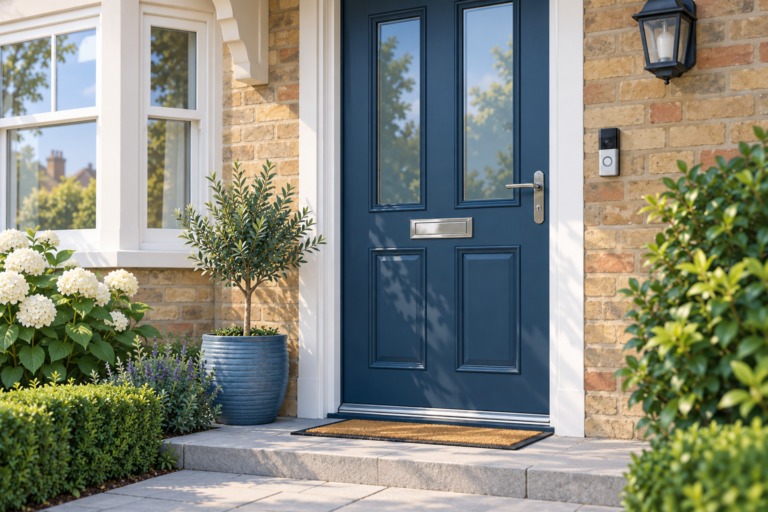
A home security preferences sheet starts with the person who lives in the home. Before comparing cameras or asking relatives to use an app, write down what the resident wants help with, what should stay private and what would feel comfortable in everyday use.
This is a conversation worksheet, not a test or a decision made on someone else’s behalf. You can complete it alone, with a relative or with another trusted person. Leave any question open if you want more time. A useful sheet may fit on one page, and it can change as you learn what the proposed equipment actually does.
1. Describe the situation in your own words
Begin with one ordinary moment rather than a list of products. Perhaps you would like to check a caller before walking to the front door, or see whether a delivery has arrived. Write the resident’s own description, without making it more alarming or assuming that age tells you what somebody needs.
Try these prompts:
- The doorway or situation I would like help with is: ______.
- What I would like to do more easily is: ______.
- The arrangement I already use and want to keep is: ______.
- Something I do not want the system to do is: ______.
For example, “I want to see who rang before I decide whether to answer” is a clear starting point. It does not automatically mean extra cameras, recording everywhere or continuous family access are wanted. Our guide to choosing security for an older parent covers the wider buying conversation.
2. Write down privacy and access choices
Discuss where a camera would feel acceptable and which spaces should remain private. You do not need a technical drawing. A simple description such as “the approach to the front door” helps the installer understand the purpose. Ask them to explain the proposed view before deciding whether it suits the household.
Then consider who, if anyone, should have access. Family involvement should follow the resident’s agreement and the actual permissions supported by the system. Being a relative does not by itself settle these choices. Keep passwords and access codes off this sheet.
- The area I want to see is: ______.
- The spaces I want to keep private are: ______.
- The people I want involved, if any, are: ______.
- The tasks we agree they may help with are: ______.
- We will ask how access can be reviewed or changed later.
The separate guide to agreeing family camera access can help you discuss this in more detail. Avoid treating a camera connection as a promise that someone will watch or respond immediately.
3. Describe what feels comfortable to use
Note the resident’s preferences for screens, sound and explanations. Some people like using their existing phone; others want to ask whether a compatible indoor screen or chime is available. These are questions for the proposed equipment, not features to assume every package includes.
Think about where the person usually sits or stands when noticing a caller. Would they like a larger display, a clearer sound, fewer steps or a printed reminder? Ask how those preferences could be demonstrated before making a choice. Technical confidence varies between individuals, so let the person describe what they find easy or awkward.
Leave a space for “Please show me this again”. There is no need to turn a demonstration into a memory exercise or rush a decision because somebody else finds the controls familiar.
4. Take five questions to the installer
- Which proposed equipment supports the everyday task on my sheet?
- What would each camera see, and how can we discuss privacy choices?
- Which screen, sound and control options can I try?
- How would agreed family access work and be changed later?
- What are the installation, recording and support arrangements, including any ongoing costs?
Add a date to revisit the sheet after the demonstration or installation. Ask what to keep, change or leave undecided. Home security equipment is not medical care or an emergency response service.
Bring your preferences to a conversation with Home Care Security about suitable options. Call 0333 666 1983 to discuss the home, the equipment being considered and which assessment or demonstration options are available.